The Next Generation In Pools
Sustainable Pool Solutions ~ Ask me how!
Energy Flows. Chemicals Disrupt. ⭐
Healthy Water Starts with Energy Flow.
Muriatic acid, also known as hydrochloric acid, is a powerful chemical commonly used in pool maintenance to lower pH and alkalinity levels. The good is that it works quickly and effectively, helping to balance water chemistry, prevent scale buildup on pool surfaces and equipment, and enhance chlorine’s sanitizing power.

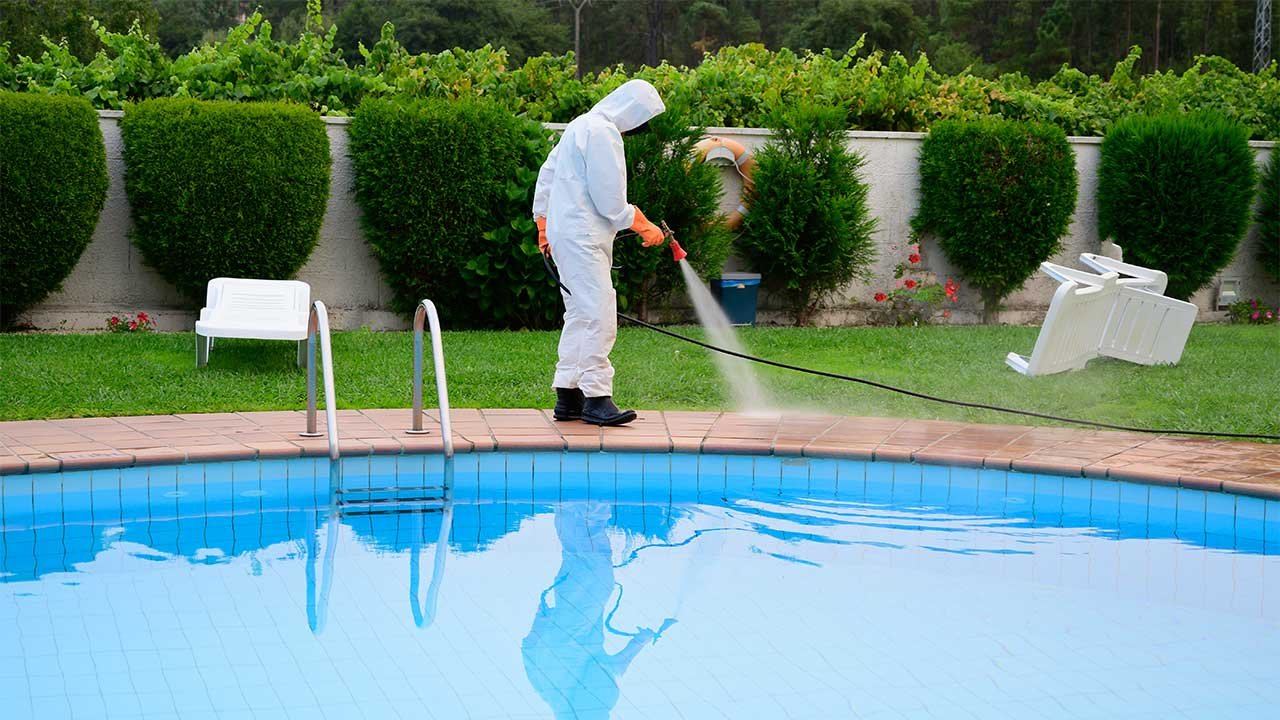
When used correctly, it can be a helpful part of keeping pool water clear and safe. However, the ugly side of muriatic acid is significant: it's highly corrosive and dangerous to handle, posing risks to skin, eyes, and lungs if not used with extreme caution.

Overuse or improper dilution can damage pool plaster, tile grout, metal fixtures, and filtration systems, potentially shortening the lifespan of your pool equipment. It also contributes to environmental and health concerns due to its toxic fumes and potential for groundwater contamination if spilled.

While it’s effective, muriatic acid demands respect, proper safety gear, and preferably professional handling—especially if you're seeking a more natural, biocompatible pool environment.
Part II

When added to a bad or poorly maintained pool, muriatic acid can be both a quick fix and a risky gamble. If the pool water has a high pH or total alkalinity, adding muriatic acid helps lower those levels, which in turn can make chlorine more effective, clear up cloudy water, and prevent scale buildup on surfaces and equipment. In this way, it can temporarily "rescue" a chemically imbalanced pool.

However, if the pool is already suffering from structural damage, poor circulation, or inconsistent maintenance, muriatic acid can actually make things worse. It can aggressively strip plaster surfaces, corrode metal fixtures like ladders or light rings, and damage seals and gaskets if dumped in without proper dilution or distribution.

In stagnant water or pools with algae blooms, the acid may not solve the underlying problem—it might just mask it for a while. Moreover, using muriatic acid in dirty or organic-laden water can create toxic byproducts, worsening the chemical load in the water.

In short, muriatic acid can correct certain chemical imbalances in a bad pool, but if misused or overused, it may cause more long-term harm than good, especially when the root problems are biological or mechanical—not just chemical.

Sometimes you have no choice!


There are times when you have no choice but to use muriatic acid, especially when pH and total alkalinity levels are dangerously high, and you're dealing with:

Severe scale buildup on tile, plaster, or equipment

Cloudy water caused by unbalanced chemistry

Poor chlorine efficiency due to high pH (chlorine is much less effective above pH 7.8)

Need to etch or deep clean a surface during a pool renovation or start-up

In these cases, muriatic acid is one of the only substances strong enough to restore balance or remove tough mineral deposits. Natural methods or alternative acids like sulfuric acid may not be effective or could introduce their own risks.

Purchasing and Storing

How to Buy the Best Type of Muriatic Acid:
Look for Pool-Grade or Buffered Formulas

Some muriatic acids are specially formulated for pools with buffering agents to reduce fumes and make them safer to handle.

Brands like Acid Magic or "low-fume" or "eco" options are ideal for residential pool owners.

Avoid Industrial-Grade Acid for Pool Use

Hardware store versions (used for concrete or masonry cleaning) can be overly harsh and unbuffered, increasing risk of damage and personal harm.

Check the Concentration

Most muriatic acid for pools is 31.45% hydrochloric acid. Stick with this standard concentration unless advised otherwise by a professional.

Buy From Reputable Pool Supply Stores

Avoid off-brand or repackaged acids. Trusted suppliers maintain better safety standards and clearer labeling.

Storage Tips

Store in a cool, well-ventilated area, away from other chemicals—especially chlorine—to avoid dangerous gas reactions.

In summary, while muriatic acid isn’t ideal for routine or natural pool care, it does have a place when used responsibly and with the right product. It's all about precision and respect for the chemical’s power.

Email Us For Any Info.

Tom@CWPools.US

Call Us For Pool Services

1-928-299-1212
About Us
Services
Opening Hours

Sunday:

Closed

Saturday:

09:00am - 07:00pm

Monday - Friday:

09:00am - 04:00pm