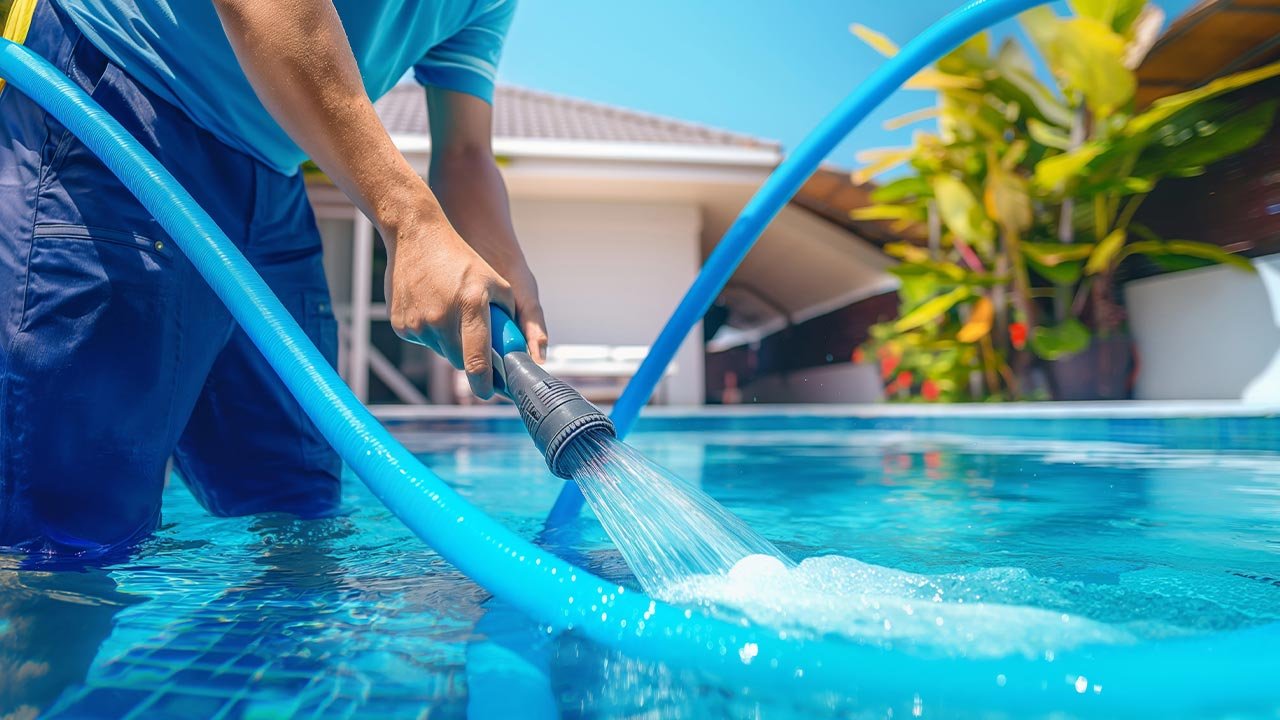
Organic natural water is key!
Quality Water Counts!
How Natural Pool Systems Prevent Bacteria and Algae Growth
Conventional pools rely on harsh chemicals like chlorine and muriatic acid to fight bacteria and algae, but these substances also destroy the natural intelligence of water and harm both people and pool systems. A natural pool, on the other hand, uses biological and energetic systems that work with water’s inherent properties—especially its ability to self-purify when properly structured.
1. Biological Balance and Filtration
Natural pools typically use biological filters, such as gravel beds, aquatic plants, or specially designed bio-zones. These filters host beneficial microbes that compete with harmful bacteria and digest organic waste—the food source algae and pathogens rely on. By maintaining a balanced microbial ecosystem, the bad bacteria simply don’t get a chance to take over.
2. Structured Water and the EZ Layer
As mentioned before, liquid crystal water forms an Exclusion Zone (EZ) that naturally repels toxins, pathogens, and impurities. When a pool supports structured water—through vortexing, far-infrared light, minerals, and low-frequency fields—it strengthens this EZ layer. A strong EZ helps keep contaminants out and supports ongoing self-purification, drastically reducing the need for chemical additives.
3. Mineral-Based Purification
Natural systems often use minerals like copper, silver, or magnesium, which are known for their antibacterial and anti-algae properties. These minerals act as gentle, long-lasting sanitizers that don’t harm the EZ structure or disrupt the natural microbiome of the water.
4. Proper Circulation and Oxygenation
Dead water invites stagnation, which allows bacteria and algae to bloom. Natural systems ensure water is continuously moving, oxygenated, and revitalized—either through waterfalls, natural skimmers, or vortex systems. Movement helps maintain clarity, discourage microbial growth, and energize the water structure.
The Result?
A pool that is clearer, softer on the skin, more energetically vibrant, and naturally resistant to bacteria and algae—without constant chemical warfare. You get a swimming experience that feels alive, healthy, and connected to nature.

Chlorine Becomes More Toxic in the Sun and Heat
Why Natural Pools Are Better for the Environment — Especially in Hot Weather
One of the biggest environmental benefits of natural pools is the elimination of toxic chemical use—especially chlorine, which can become even more harmful under high temperatures.
The Problem with Chlorine in Heat
Chlorine is a volatile chemical. When exposed to heat and sunlight, it breaks down rapidly and releases toxic fumes into the air. These fumes—primarily chloramines and volatile organic compounds (VOCs)—can irritate the eyes, skin, and respiratory system. In hot weather, this off-gassing intensifies, affecting not just swimmers but anyone near the pool area.
These airborne toxins can:
Pollute the surrounding air
Contribute to poor air quality
Aggravate asthma or breathing issues
Harm beneficial insects and plants near the water
Add to environmental chemical loads when evaporated into the atmosphere
Natural Pools: Eco-Friendly by Design
Natural pools avoid these problems entirely by using biological filtration, structured water, and mineral systems instead of synthetic chemicals. This not only keeps the pool safer for swimmers but also ensures that:
No toxic gases are released into the air
Nearby soil, plants, and ecosystems are not exposed to chemical runoff
The water cycle remains unpolluted and energetically intact
Natural pools work with nature, not against it—creating a self-sustaining, balanced environment that’s better for the Earth, your family, and your overall well-being.

Tree next to a chlorine pool

Damage within 5 miles

Neighbors trees keep dying
Chlorine and your environments:
Click Here
How Chlorine Can Damage Your Pool and Encourage Algae—Not Prevent It
Most people believe chlorine is the ultimate solution for keeping pools clean and algae-free. But overuse of chlorine—and improper chemical balance—can actually have the opposite effect. Instead of protecting your pool, chlorine can corrode equipment, destabilize water quality, and even lead to algae overgrowth.
1. Chlorine Corrodes Pool Equipment
Chlorine is a strong oxidizing agent. When used in high concentrations or over time, it:
Erodes metal parts like ladders, lights, pumps, and heaters
Breaks down seals and gaskets, causing leaks
Corrodes plumbing and filters, reducing lifespan
Damages pool liners and surfaces, especially in vinyl or fiberglass pools
This not only shortens the life of your equipment, but increases maintenance costs and the frequency of expensive repairs or replacements.
2. Chlorine Can Lead to Algae Overgrowth
Although chlorine is meant to kill algae, it only works within a precise chemical balance. When the pool’s pH or stabilizer levels are off—even slightly—chlorine becomes less effective, allowing algae to grow unchecked. Meanwhile:
Overuse of chlorine can kill beneficial microbes that help maintain water balance
Residual organics (like dead skin, sunscreen, or leaves) combine with chlorine to form chloramines, which reduce chlorine’s strength
Over-chlorination stresses the water system, disrupting its natural equilibrium and allowing opportunistic organisms like algae to bloom
The result? Cloudy water, green pool walls, and recurring algae outbreaks, even in a heavily chlorinated pool.
Natural Alternatives Offer a Better Way
Natural pools avoid these issues by using biological filters, structured water, oxygenation, and mineral-based purification. These systems maintain a healthy balance that:
Protects pool equipment
Prevents algae naturally through ecological balance
Supports clean, clear, and energetically alive water
Downsides of Chlorine
13,500+
Pool Chemical–Related Injuries (Chlorine Handling & Exposure)
From 2015 to 2017, there were about 13,500 emergency department visits annually in the U.S. due to pool chemical incidents—often involving chlorine inhalation, skin or eye irritation—36% involved children, and over half occurred at home during the summer months.
2,492
Cryptosporidium was responsible for 76 outbreaks (~37% of all outbreaks), resulting in 2,492 illnesses—it's highly chlorine‐resistant
3,646
Between 2015–2019, the CDC documented 208 outbreaks linked to treated recreational water (pools, hot tubs), causing around 3,646 cases, 286 hospitalizations, and 13 deaths
10 Days
Cryptosporidium survives even in well-chlorinated water for over 10 days, and a small amount of contaminated water can infect swimmers .
.2-.4 ppm
Combined chlorine limits: Health departments typically cap combined chlorine (chloramines) in pool water at 0.2–0.4 ppm to keep pools safe
4.2 ppm
In poorly maintained indoor pools, chloramine levels can spike—CDC noted instances with combined chlorine reaching 4.2 ppm in one case with free chlorine at 0.8 ppm and pH 3.95, which led to severe chemical epiglottitis and laryngotracheobronchitis
Warning Signs Your Pool Is Out of Balance and Possibly Poisoning the Water
Strong chlorine smell-
Red, itchy eyes or skin-
Cloudy or murky water-
Green water or algae growth-
Foamy or bubbly water-
Burning nose, coughing-
Metal stains on pool surfaces-
Scale or white crust buildup-
Corroded metal (ladder, heater)-
Chloramines are present (not free chlorine)
Irritation from chloramines or low pH
Poor filtration or chemical imbalance
Sanitizer too low or pH too high
Contaminants like lotions or chemical imbalance
Chloramines in the air
Brown, green, or black stains
Chalky residue on walls or equipment
Etching or rusting
Combined chlorine buildup; ineffective sanitizing
High chloramines / Low pH (acidic water)
Imbalanced pH, high calcium, high TDS
Organic buildup / Low calcium or TDS imbalance
High combined chlorine, especially in indoor pools
High metal content (copper/iron) from imbalance
High calcium hardness or high pH or DE is turning into a mortar due to chlorine buildup
Low pH (acidic water) or high total alkalinity; usually chlorine levels are too high
Public Health Warnings:
CDC Warnings
Chlorine Exposure & Respiratory Health –
1. CDC Chemical Fact Sheet on Chlorine
The CDC explains that inhaling chlorine gas, which can occur when pool chemicals off-gas or mix improperly, can lead to immediate breathing issues:
~"Bl burning feeling in the nose, throat, lungs and eyes"
~Coughing, chest tightness, shortness of breath, and even respiratory failure in higher exposures
Specifically:
Contact with moist tissues forms acid that injures eyes, throat, and lungs.
High-level exposure leads to respiratory failure, coughing up blood-tinged fluid, and acute lung damage
2. NIOSH/CDC Occupational Safety Notes
NIOSH (a CDC agency) confirms that chlorine gas is a toxic, corrosive agent:
Low levels cause eye, nose, and throat irritation.
Higher levels damage the lungs, altering breathing and causing coughing or serious “lung damage”
cdc.gov
3. Public Health Incidents at Pools
A real-world CDC report highlights a case where pool chemical malfunctions released chlorine gas, causing:
34 people to experience vomiting, coughing, and eye irritation
17 needing hospital treatment
This shows chlorine can be dangerous when improperly handled — even in recreational settings
Key Takeaways
Chlorine—commonly used in pools—is toxic when inhaled, forming acid in contact with tissues.
It can irritate eyes, throat, and lungs, and in severe cases cause respiratory failure.
Equipment malfunctions and operator errors at public pools have caused chlorine gas release, leading to mass injuries
Switching to natural pool systems eliminates chlorine entirely—removing these inhalation risks, protecting swimmers' respiratory health, and fostering safer, cleaner environments without chemical hazards.
Parameter AND Ideal Ranges:
*Free Chlorine 1.0–3.0 ppm
*Combined Chlorine < 0.2 ppm
pH Level 7.2–7.8
*Total Alkalinity 80–120 ppm
*Calcium Hardness 200–400 ppm
*Cyanuric Acid (Stabilizer) 30–50 ppm (outdoor pools)
Total Dissolved Solids can also be minerals. Therefore, you will need to test with a proper tester set or ask your technition.
University Studies on the Effects of Chlorine:
Chlorine Gas Inhalation: Human Clinical Evidence of Toxicity and Experience in Animal Models
July 2010Proceedings of the American Thoracic Society 7(4):257-63
DOI:10.1513/pats.201001-008SM
SourcePubMed
Authors:
Carl W White
University of Colorado
James G Martin
McGill University Health Centre
Click Here
Chlorine Poisoning:


NIH Warns of Chlorine Poisoning.
Chlorine gas is a toxic respiratory irritant that is considered a chemical threat agent because of the potential for release in industrial accidents or terrorist attacks.
Chlorine inhalation damages the respiratory tract, including the airways and distal lung, and can result in acute lung injury.
Some individuals exposed to chlorine experience a full recovery from acute injury, whereas others develop persistent adverse effects, such as respiratory symptoms, inflammation, and lung-function decrements.
In animal models, chlorine can produce persistent inflammation, remodeling, and obstruction in large or small airways, depending on species.
Airways with pseudostratified epithelium are repaired efficiently, with surviving basal epithelial cells serving as progenitor cells that repopulate the complement of differentiated cell types.
Distal airways lacking basal cells are repaired less efficiently, leading to chronic inflammation and fibrosis at these sites. Persistent chlorine-induced airway disease in humans is treated with asthma medication to relieve symptoms.
However, such treatment does not ameliorate the underlying disease pathogenesis, so treatments that are more effective at preventing initial development of airway disease after irritant gas exposure and at reversing established disease are needed.
MORE!
NIH Request: Know your Water!